Lenin
-
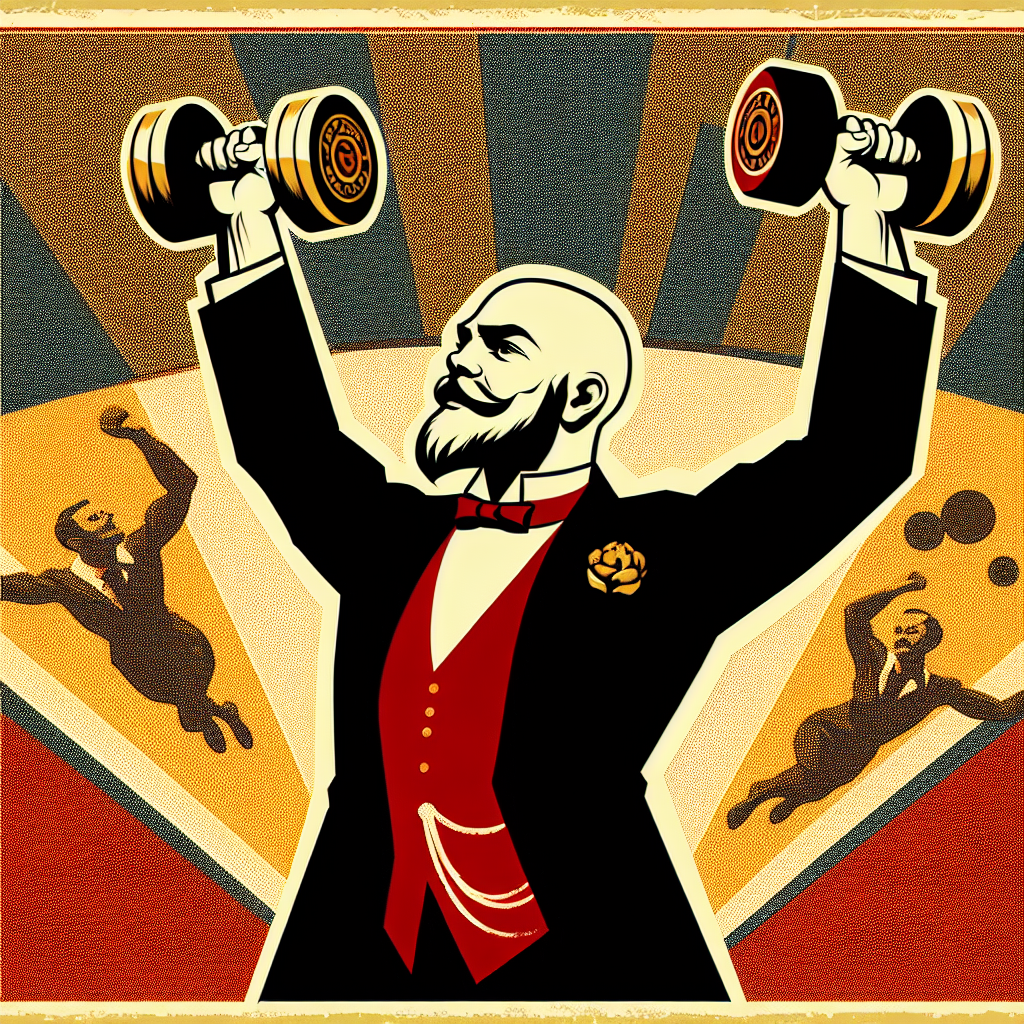
It's #EuropeanBios #80, Vladimir Lenin: the man who killed the Romanovs, ended monarchy in Russia, and replaced it with a cruel dictatorship that permanently ruined the word "socialism" by twisting the ideas of Marx into something unrecognizable. Oh, and he enjoyed gymnastics.
-
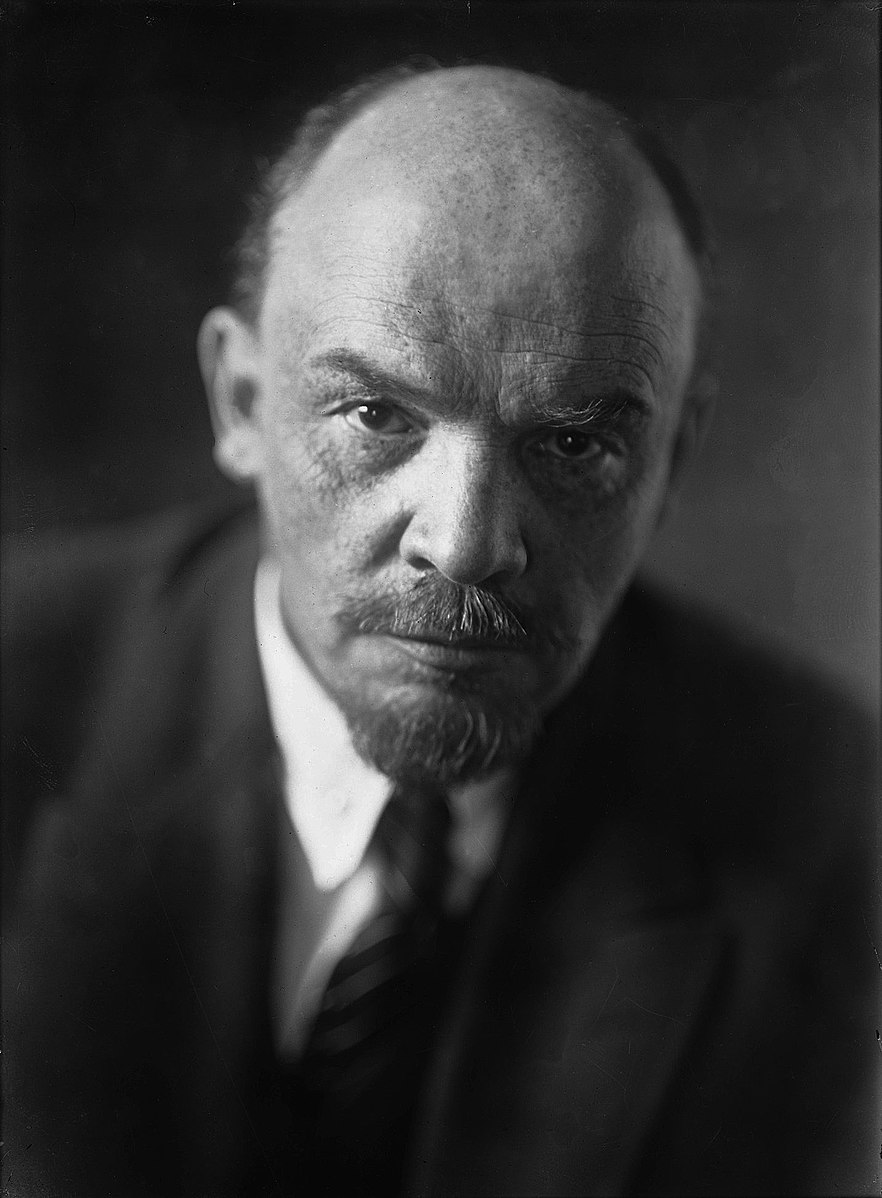
Portrait of Vladimir Lenin, c. 1920s, public domain public domain -
I'll level with you: this thread is going to be short on fun facts. Lenin was not the joyless automaton he is sometimes made out to be, but he WAS a sociopath ultimately responsible for millions of deaths, so un-fun facts are definitely in predominance. Nevertheless, here we go.
-
We start with his name: "Vladimir Lenin" was not his name. He was born Vladimir Ilyich Ulyanov. "Lenin" was one of many pen names he used when writing. Also: his parents were not called Lenin, his wife didn't use the name, and he had no kids. So he's the only Lenin, ever.
-
Vladimir was born in 1870 in what is now Ulyanovsk, Russia, which is not quite the middle of nowhere by Russian standards, but Lenin being born is definitely the most famous thing to have ever happened there. His family were upper middle class, comfortably wealthy.
-
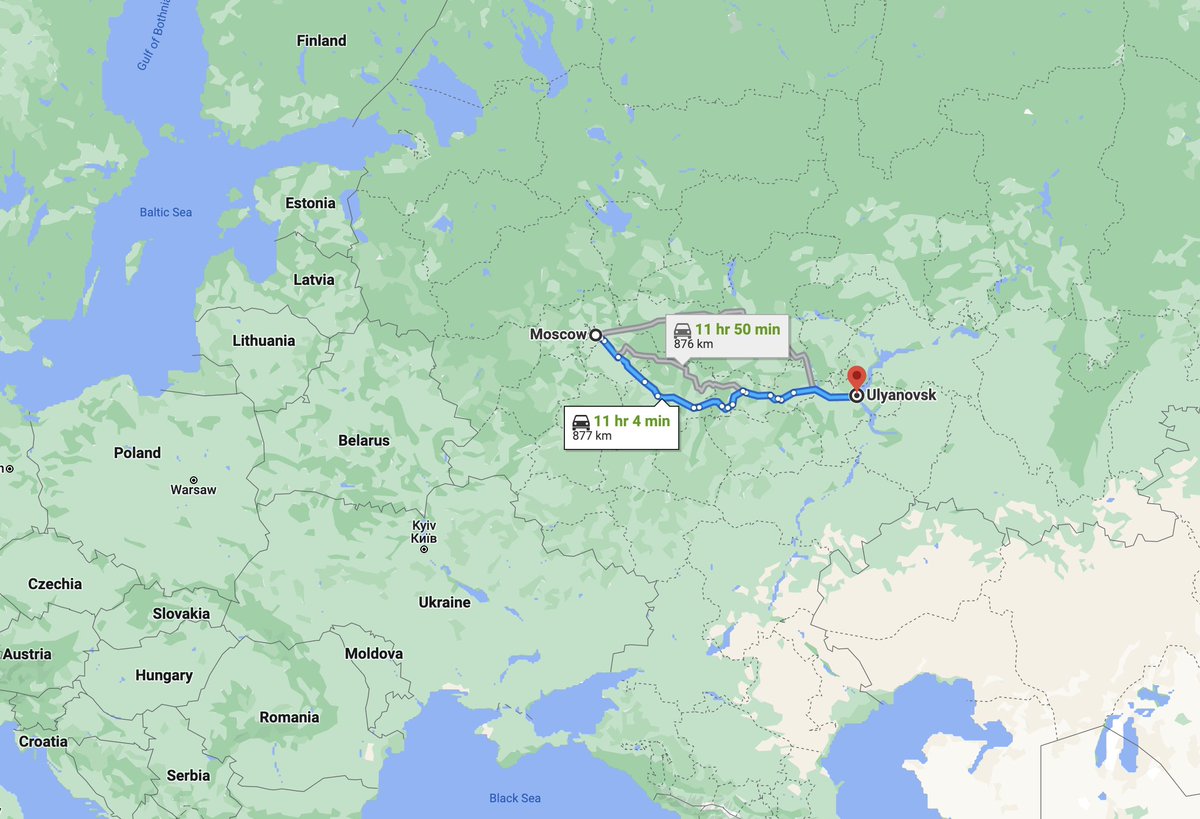
Map showing distance from Moscow to Ulyanovsk, Lenin's birthplace Google Maps data © Google -
In his early years he was noted for being extremely clever at schoolwork and extremely awkward physically. His head was very large for his body as a child, and it meant he fell over a lot, to the point that his parents had doctors examine him. He was fine, just really clumsy.
-
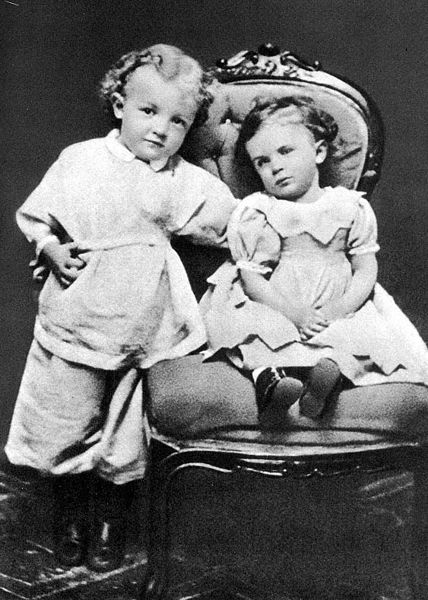
Young Vladimir Lenin (left) with a sibling, c. 1870s, public domain public domain -
Vladimir had a mostly happy childhood. He and his siblings would play games with a large and elaborate set of toy soldiers, a sign of how rich they were. Young Vladimir would always play as the Americans, in particular as Abraham Lincoln, who had died 5 years before he was born.
-
He eventually overcame his childhood clumsiness and became a keen gymnast, a practice he carried on as his preferred form of exercise well into his adult life, leading to this fun fact: Vladimir Lenin, dictator of Russia, could do the splits. He was also very good at chess.
-
His happy childhood took a sharp turn the year he was 15, when two things happened: first, his father died, aged only 48. This affected the whole family's finances and is allegedly the incident that made Vladimir renounce his belief in any god; he was a committed atheist.
-
The second incident, just 4 months later, was that his much loved and idolized elder brother Alexander became involved in a plot to assassinate the king, Tsar Alexander 3. The plot was discovered and Alexander (the brother, not the Tsar) was tried and executed.
-
Losing financial status and then being associated with an executed revolutionary meant the family was thrown out of their former social circles and ostracized by their former friends, an experience that permanently radicalized young Vladimir against the wealthy.
-
After this Vladimir identified himself not as one of the rich people, which he was, and whom he'd grown up with, but as a worker. However, he was not above referencing his "noble" birth when he was writing letters to snobby officials asking for favors, just in case it helped.
-
This behavior: holding a principle (in this case "I am one of the common people") only until it became even a little inconvenient, is a hallmark of Lenin's that we're going to see over and over. There were no principles he truly believed in except he hated "the rich".
-
Russia in the 1870s was a hotbed of political dissent as a result of a series of shitty kings. Alexander 3 was a fiercely traditional monarch who believed in his right to rule without interference, a view that was out of fashion in Europe and the now-independent United States.
-
Alexander 3 would be succeeded by his son Nicholas in 1894, when Vladimir was 24. We've run into Nicholas 2 before: Rasputin was going to be blamed for corrupting him, but actually he was just a shitty king on his own initiative:
-
This was the environment in which Vladimir went to university. None of the prestigious universities would accept him, since as the brother of an executed radical it was assumed that he would immediately join a revolutionary group and cause trouble, which is exactly what he did.
-
He was accepted eventually to Kazan University, where he was elected to the student council and organized a demonstration against the policy of not allowing students to participate in political demonstrations, a self-referential crime for which he was immediately expelled.
-
Exiled from formal higher education, he and his family, still quite wealthy but social outcasts, moved to a farm in the countryside. He read voraciously and taught himself law, which is just as well because he despite his working man self-image he was very bad at farming.
-
One of the many books he read was Capital by our former subject Karl Marx. Vladimir, already primed to hate the rich from his teen years, latched on to socialism as an intellectual framework to justify his revenge fantasies against the rich.
-
A striking feature of Lenin's ideology was his extreme intellectual flexibility, which is to say: he didn't actually give a shit about socialism or communism at all. He wanted to be in charge and throw the rich out of power for being a dick to him as a teenager, and that was all.
-
Absolutely nothing about Marx's views of socialism and communism were important to Lenin. He talked them up when they suited his aims and when it would rally people to his side, and would dispense with them without hesitation the moment they became inconvenient.
-
At age 28 Vladimir married Nadezhda Konstantinovna Krupskaya, a deeply committed revolutionary leftist whose role in his success has been underplayed. She did a huge amount of work persuading, negotiating and cajoling folks to do what Vladimir wanted. She was formidable.
-
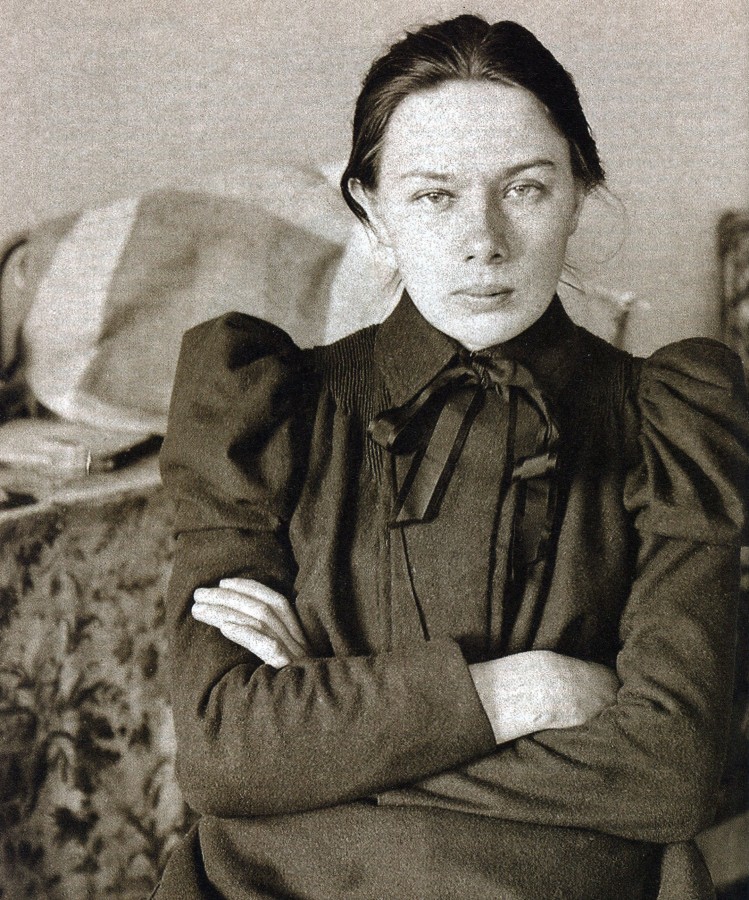
Nadezhda Krupskaya, Lenin's wife and fellow revolutionary, c. 1900s, public domain public domain -
Vladimir's rise to power continued. He gave forceful speeches and participated in brutal political debates. His speaking technique was essentially brute force, rather than art: he just kept speaking and speaking and speaking until his audience was overwhelmed.
-
He was also not above ad hominem attacks on his political opponents, in fact they were his favorite method of getting the upper hand. He didn't care if he won an argument on the merits or by personally discrediting the other speaker, so long as he won. This was a lifelong habit.
-
All of this brought him to the attention of the authorities. Under Alexander 3 and then continued under Nicholas 2, Russia was a police state. Everyone was under surveillance and dissidents were imprisoned, exiled or killed. He and his associates were under constant threat.
-
This had two results: the first was that he became a lifelong fan of spycraft. To a deeply comical degree, he was constantly using false names, wigs, beards and other disguises as well as code-words, ciphers, suitcases with secret compartments, etc. He was totally into it.
-
Lenin's obsession with spycraft was made all the more comical by the fact that it was completely ineffective. At no point were the secret police even remotely in doubt as to his location or activities, and they dutifully wrote down which disguises he was wearing when.
-
The second result of Russia's police state is that for many years he had to flee Russia entirely to avoid prosecution. He spent some of the time in Switzerland (at the time a poor country and a cheap place to stay) and a lot of time in London, a hotbed of revolutionary activity.
-
Lots of important Russian revolutionary figures were hanging out in London and Geneva at the same time and they were all hanging out with each other, eating at the same restaurants, and having endless petty fights with each other, just as Karl Marx had done:
-
At a conference in London the Russian socialists split into two groups: the Mensheviks (which means "minority") and the Bolsheviks (meaning "majority"). The actual point of dispute is very boring, but the result was a new, independent Bolshevik party, with Lenin in total control.
-
The Bolsheviks and Mensheviks spent years and years mostly just hanging around London, sniping at each other over long dinners and waiting for something to happen in Russia. This nearly happened in 1905 but Nicholas 2 managed to hang on, much to Lenin's disappointment.
-
World war 1 broke out in 1914, pitting Russia against Germany. Nicholas 2 chaotically mismanaged the war, severely weakening the country and leading to food shortages which significantly increased unrest, which had already been high for decades. Lenin hung out in Geneva.
-
In 1917 a massive strike in St Petersburg finally toppled Nicholas' government and he abdicated. Lenin was desperate to get to Russia to shape events. Still at war, the German government thought sending Lenin to Russia would further weaken it, so they struck a bizarre deal.
-
The German government agreed to supply a train to ferry exactly 32 Russian revolutionaries across Germany and Sweden into Russia, as long as they stayed in the train the whole time and never got out before Russia. This was called the "sealed train", and Lenin took it.
-
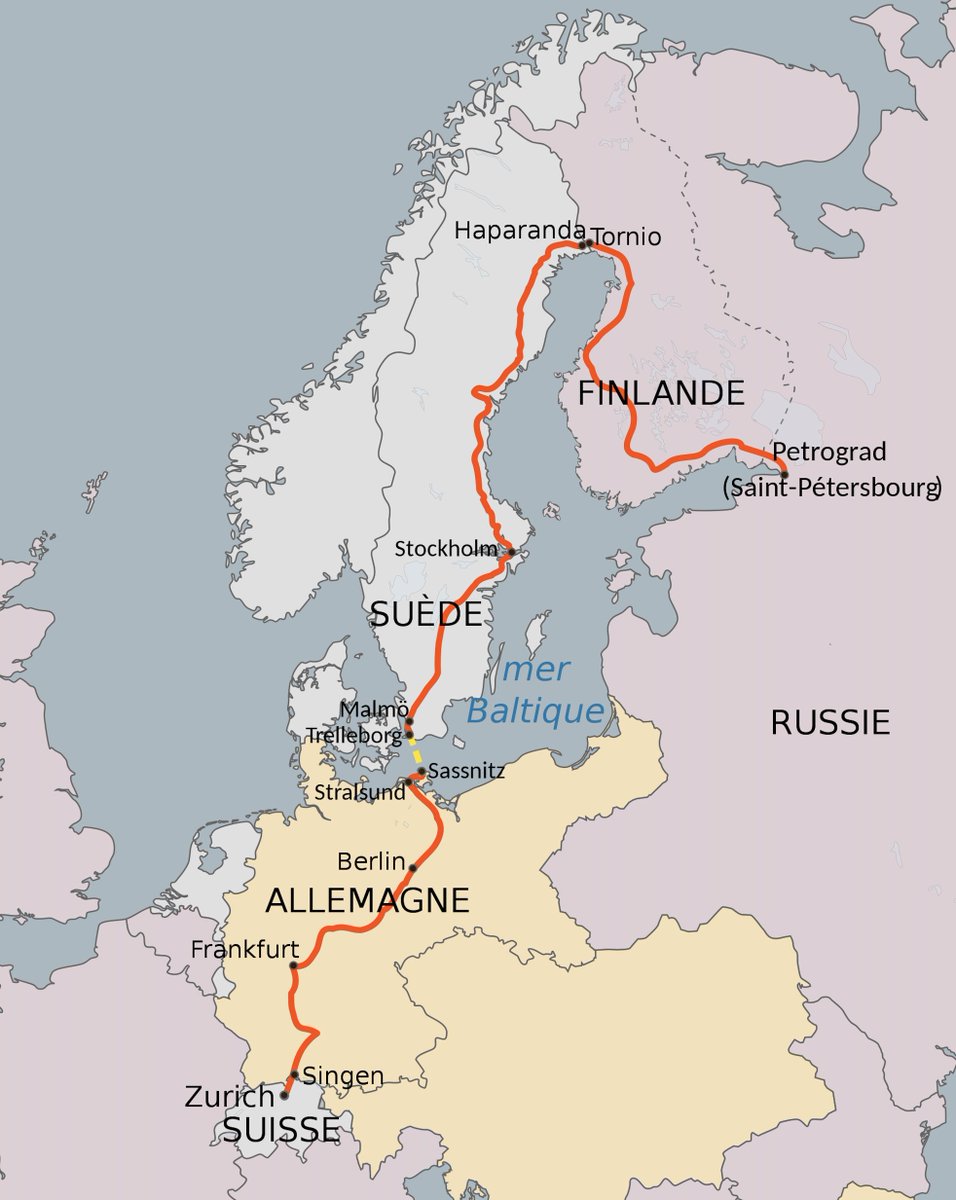
Map of Lenin's journey from Zurich to Petrograd via the "sealed train" through Germany and Scandinavia, 1917 via Wikimedia Commons (CC BY-SA) -
It goes without saying that the German government probably in the long run regretted this key assistance they gave in letting Lenin (and thus his successor Stalin) take over Russia. But at the time they viewed him as a pesky troublemaker, not a serious threat.
-
Lenin arrived in St Petersburg to a huge crowd awaiting him; he was already famous. However, nobody in the crowd knew what he looked like -- he was trying to avoid detection, so he'd never distributed photos of himself -- and they were very surprised to find out it was him.
-
This is how the name "Lenin" became established. They only knew him by his pen name, and they didn't know what he looked like. So he couldn't introduce himself as Vladimir Ulyanov, because nobody knew who that was. The only recognizable thing was the name, so he kept it.
-
Lenin was never physically impressive to look at. At 5'5" he was short, with bulging eyes and a bald head. He was not what people in 1917 had in mind when they thought of a brave new revolutionary leader. But he was about to get exactly what he wanted.
-
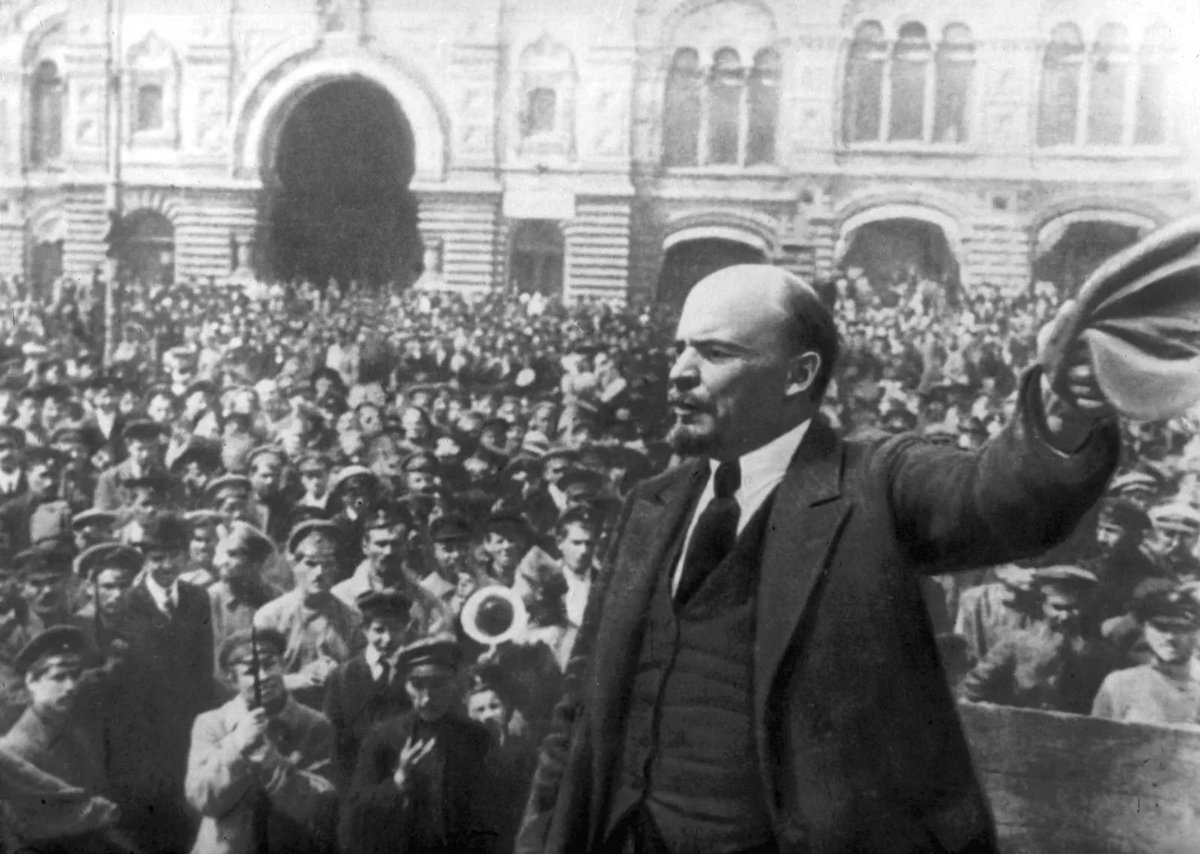
Lenin addressing a crowd during the Russian Revolution, 1917, public domain public domain -
He did it by doing what he always did: throwing away whatever principles he'd been espousing in favor of expediency. He abandoned Marx's idea of a slow and inevitable evolution from monarchy to democracy and then socialism in favor of immediate, drastic, violent overthrow.
-
He did not give the remotest shit about the soldiers or workers whom he always claimed to be representing. They were to him a means to an end, which was that he should be in charge of everything, and able to punish the people who'd been mean to him as a teenager. That was it.
-
Thus in October 1917 Lenin's Bolshevik party leadership voted 10-2 to violently overthrow the rickety provisional government that had been in place since Nicholas abdicated in February. In the end they hardly needed to use violence, because the situation was so chaotic.
-
They agreed to use a red lantern as a signal to storm the palace, but nobody had a red lantern. But nobody was guarding the palace so they just strolled in. They started looting the place and then realized they needed all that stuff so then they put it all back (except the wine).
-
With control of the palace they declared that they were now in power. Not everyone agreed: most problematically, the head of the central bank refused to acknowledge Lenin's government, and thus refused to give them any money to pay his workers-turned-soldiers, the Red Guard.
-
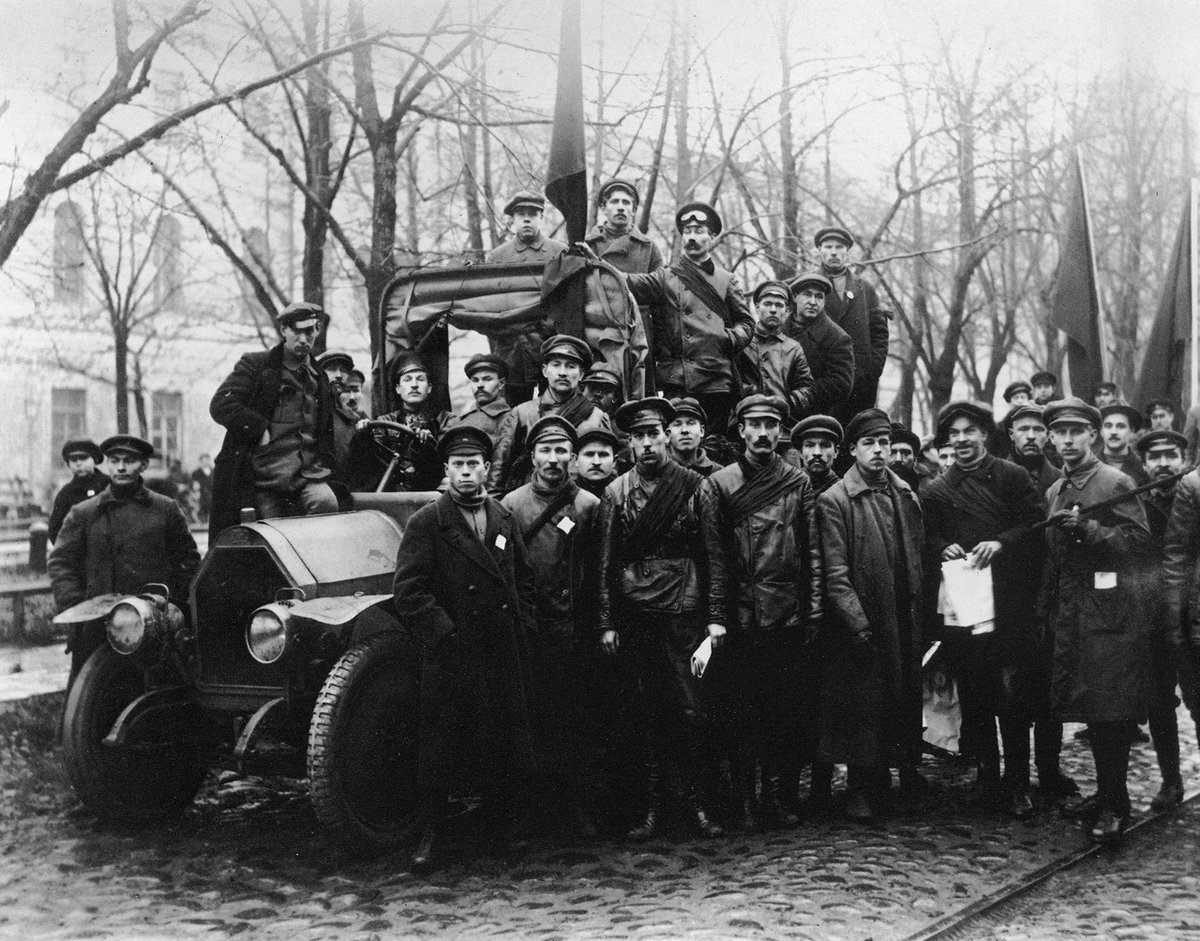
Bolshevik Red Guards in Petrograd during the October Revolution, 1917, public domain public domain -
Lenin solved the problem by straight up robbing the bank. The Red Guard showed up at the bank, told the bank staff to give them the money or die, and then strolled back to the palace with millions of rubles, which Lenin stashed in cupboard. Thus was his treasury established.
-
Lenin continued to break promises and throw away principles. Freedom of the press was briefly established, then he took it away again. He lied constantly. He abandoned democracy almost immediately after he held an election in which the Bolsheviks did not win.
-
The Bolsheviks lost the election to a more farmer-focused party. Urged to form a coalition, Lenin instead declared the election to be "not the will of the people" and dissolved the elected assembly, literally by turning off all the lights and kicking them out of the hall.
-
He likewise immediately reintroduced the police state, by founding Cheka, a secret police organization which reported directly to him. They ran labor camps, conducted executions and torture, and surveilled all of his political opponents. They would later become the KGB.
-
The broader Russian public, meanwhile, did not really give a shit who was in charge. The Bolsheviks clearly did not have their best interests in mind, but the opposition were Royalists who likewise had oppressed them. Faced with oppression either way, they gave in to apathy.
-
Lenin was also the one who decided to murder Nicholas 2 and the rest of his family. With the Romanovs alive the royalists would always have some hope of a counter-revolution, and Lenin could not stand any challenges to his power. So he had them all put to death.
-
Now fully in charge, Lenin really did not know what he was doing. The economy was still a mess, transportation was fucked, people were starving. So he declared a "battle for grain", which essentially meant sending soldiers to force farmers to give up their crops.
-
This rapidly resulted in famine, since farmers had no motivation to grow crops only to be robbed of them. Production only normalized when Lenin introduced the New Economic Policy, under which farmers could sell their crops, i.e. capitalism, but branded as socialism.
-
And so Marxism became Leninism. Dictatorship branded itself as communism, corrupt capitalism branded itself as socialism, oppression branded itself as freedom. Lenin stole Marx's noble sentiments and perverted them into cruel parodies of themselves, poisoning those words forever.
-
But Lenin had one more way to fuck up the world up his sleeve: Stalin. A useful if brutally cruel lieutenant, Lenin did not want Stalin to succeed him and repeatedly said so, but like many dictators refused to appoint a successor lest that person take over too soon.
-
So when in 1922 Lenin had a series of strokes that incapacitated him, there was no clear successor. Stalin swooped in and put him under what was effectively house arrest, ruling in his name until he died two years later of another stroke.
-
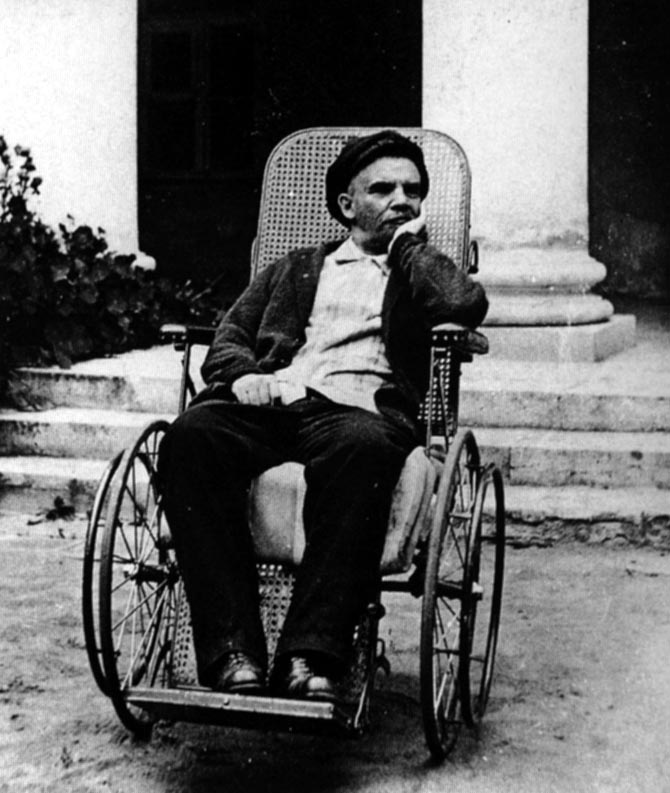
Lenin in a wheelchair at his Gorki estate during his final illness, 1923, public domain public domain -
After his death Stalin needed to bolster his image as Lenin's successor, so he continued and further exaggerated the cult of personality that Lenin had himself started. They pickled Lenin's corpse and put it on public display, where it remains to this day.
-
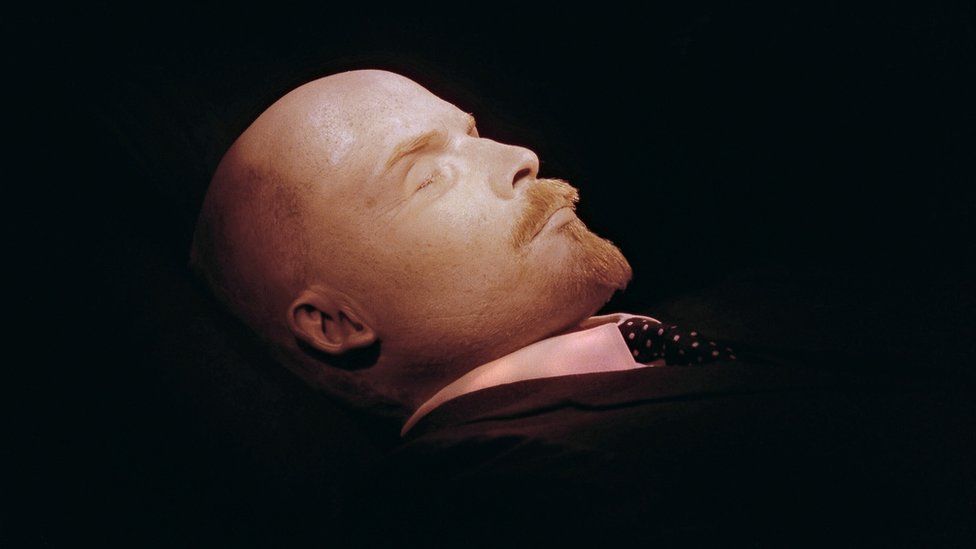
Lenin's embalmed body on display in the Lenin Mausoleum, Moscow, public domain public domain -
Lenin's legacy is a nightmare. He ruined the words "socialism" and "communism" by destroying their meaning. He ruined Russia in many ways directly, and by paving the way for Stalin he is indirectly responsible for all of his many crimes as well. Lenin was an asshole.
-
But what I'm taking away is that the many crimes of Lenin never had anything to do with his ideology, because he didn't have one. He wasn't getting socialism wrong, he wasn't failing to implement communism, he wasn't even trying. He didn't give a shit. He just wanted revenge.
Text and images copyright © 2020-2023 Laurie Voss
except where indicated
except where indicated